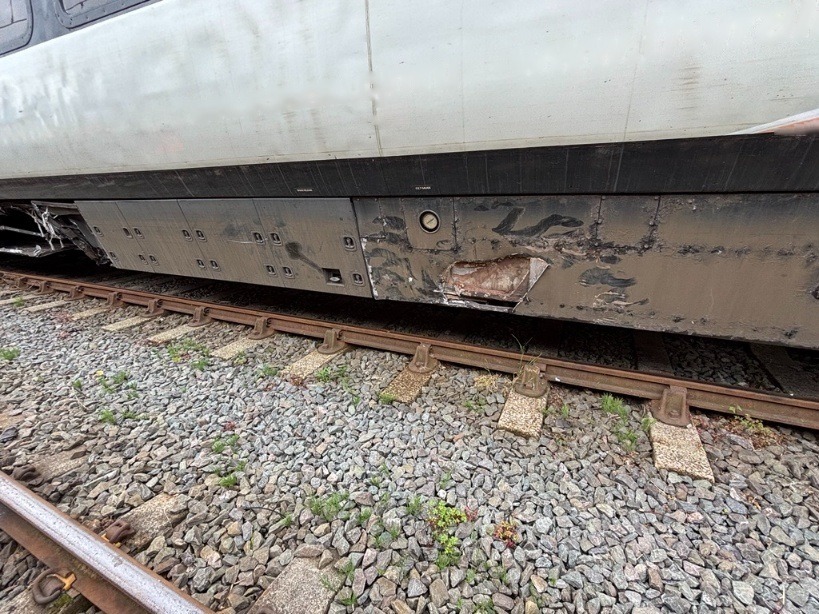
The problem: failing exams and rising costs
Emergency lighting is safety-critical. If a light fails its examination, the vehicle can't be released for service until it's fixed.
Our client's Mk4 sets were repeatedly failing their emergency light examinations because of defective batteries and LEDs. The obvious fix was to buy new units from the supplier. But with 37 emergency lights on every train, replacing them across the fleet would have been very expensive, and there was no guarantee new units wouldn't fail the same way.
Stripping down the units
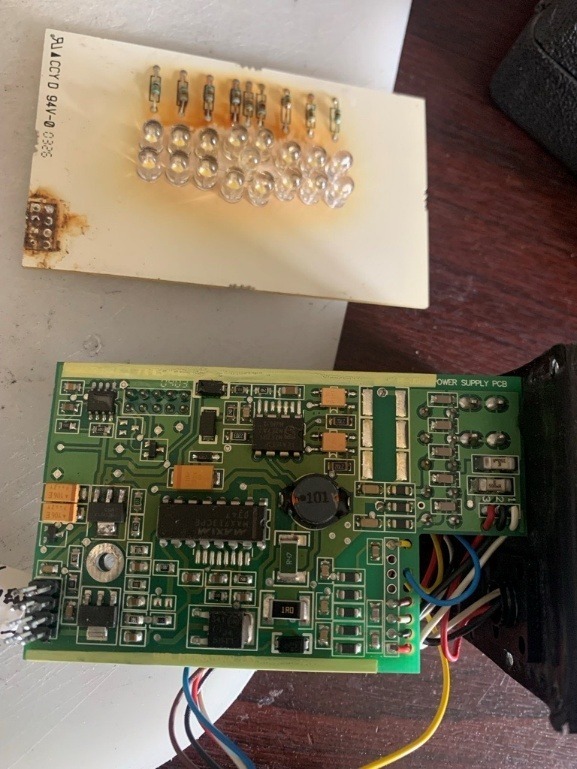
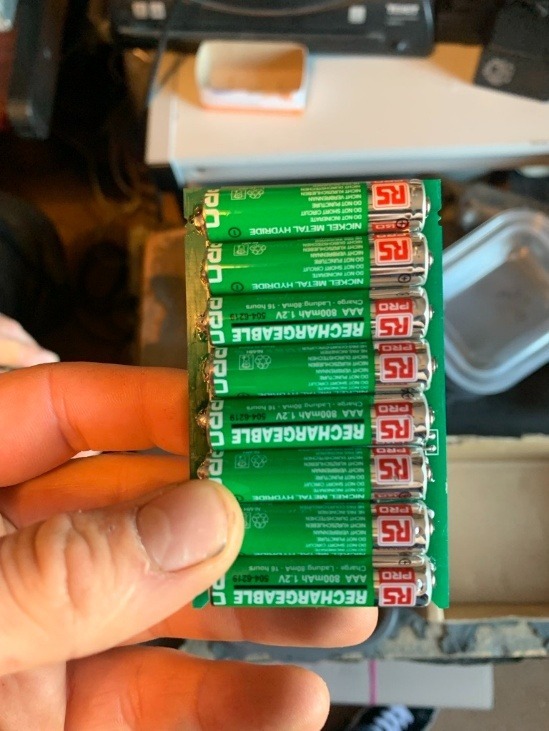
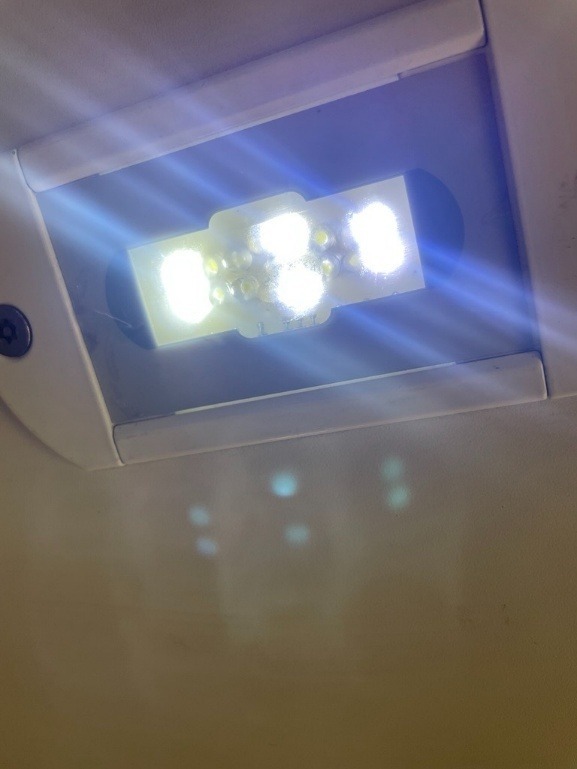
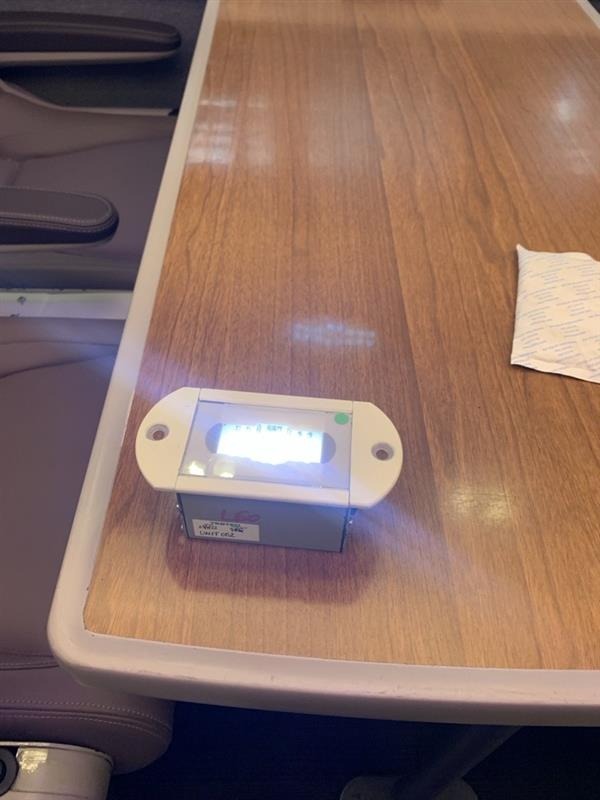
Instead of replacing the lights, our engineers took them apart to find out exactly why they were failing. By stripping the units down to component level, we identified the specific parts that were letting them down: the batteries and the LEDs.
The engineering change
With the root cause identified, we introduced a formal engineering change, supported by a detailed method statement so every unit is overhauled the same way, every time. We sourced high-quality replacement parts and streamlined the repair process so units could be turned around quickly.
The saving
The overhaul costs around a third of the price of buying a replacement unit. Across 37 lights per train, and every train in the fleet, that adds up to a significant saving for our client.
Why the overhauled units last longer
Cheaper didn't mean cutting corners. Because we replaced the weak components with higher-quality parts, the overhauled units need less maintenance and offer a longer service life than the originals.
The result
- Around a third of the cost of buying new units
- Longer service life and less maintenance
- Fewer exam failures, so vehicles stay in service
- An ongoing partnership: On Track continues to overhaul all of our client's emergency lights today
It's a good example of how we approach engineering problems: understand the root cause first, then find the solution that's best for the fleet, not just the quickest.